
Planning patio and slab construction in Bandera requires meticulous preparation considering site contours, local building codes, material compatibility, and climate. Retaining walls enhance structural integrity and aesthetics through proper placement, materials choice, drainage systems, and waterproofing. Integrating concrete slabs demands layout planning, reinforcement, and regular maintenance for long-lasting beauty and functionality tailored to Bandera's unique geography.
In the realm of patio and slab construction, Bandera, TX, residents often encounter a common challenge: achieving a seamless transition between patios and retaining walls. A poorly executed edge can mar the aesthetic appeal and structural integrity of these outdoor living spaces. This article delves into the art of concrete patio retaining edge setup, offering a comprehensive guide for both professionals and DIY enthusiasts. We explore proven techniques, best materials, and expert tips to ensure your patio edges not only enhance the overall design but also withstand the test of time.
- Planning and Preparation for Patio Retaining Edges
- Installing Retaining Walls: Step-by-Step Guide
- Integrating Concrete Slabs into Your Patio Design
Planning and Preparation for Patio Retaining Edges

When planning and preparing for patio retaining edges, especially in areas known for their diverse landscapes like Bandera, understanding the unique challenges is key. The foundation of any successful project lies in meticulous preparation, considering both the structural integrity required to withstand varying terrain and the aesthetic appeal that ties the entire patio and slab construction together. Start by assessing the site's natural contours; this will dictate the design and placement of retaining edges. For instance, a steep slope calls for a sturdier, more sloped edge compared to a gentle incline. Utilize topographical maps or consult with professionals who can interpret these features accurately.
Next, choose materials that complement not just the overall patio design but also the natural environment. In Bandera, where concrete patios and slab constructions are common, retaining edges made from the same material offer seamless integration. Consider textured or colored concrete for a more organic look or opt for stone or wood for a contrast that adds visual interest. Ensure these choices align with local building codes and regulations to avoid any structural or safety issues down the line. Regularly inspect the chosen materials for defects, especially if using natural stones, before installation to ensure longevity.
Before setup begins, clear the area thoroughly of debris and obstructions. This step is crucial for both safety and precision during construction. Create a detailed plan, including measurements and layout, that accounts for any necessary adjustments based on site conditions. Consult with experienced contractors who understand the local climate and soil composition; these factors significantly impact the choice of retaining techniques and materials. For instance, in Bandera's semi-arid climate, choose water-resistant solutions to prevent moisture-related damage over time. Proper planning and preparation not only ensure a functional patio but also guarantee it stands the test of time under the region's specific conditions.
Installing Retaining Walls: Step-by-Step Guide
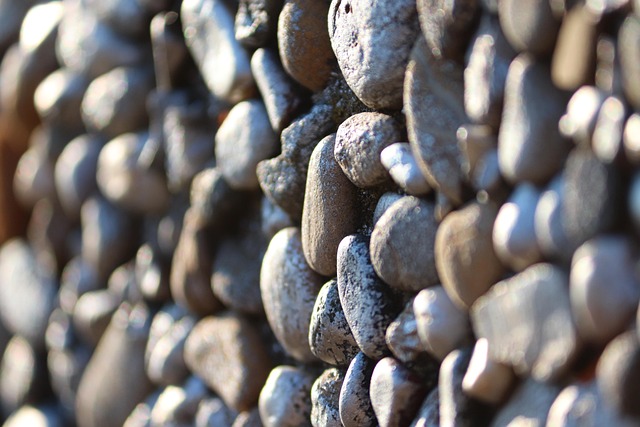
Installing retaining walls is a crucial step in enhancing your patio and slab construction in Bandera. This process not only adds aesthetic appeal but also ensures structural integrity, preventing soil erosion and creating level surfaces for comfortable outdoor living. Here’s a comprehensive, step-by-step guide tailored to Bandera’s unique conditions, focusing on practical, long-lasting solutions.
Begin by assessing your patio's edge and planning the wall placement. Determine the type of retaining wall best suited to your project—from concrete blocks to stone or brick—considering factors like local aesthetics, budget, and structural requirements. Obtain necessary permits from local authorities, especially in areas prone to severe weather conditions. Next, prepare the ground by removing vegetation and loose debris, ensuring a clean, level surface for construction. Use this opportunity to install drainage solutions to divert water away from your patio, preventing water damage and potential shifting of the retaining wall.
Dig trenches along the desired edge of your patio, ensuring they meet local building codes for depth and width. Place corner posts at strategic points within the trenches, providing support for the wall and allowing for proper slope drainage. Backfill the trenches with compacted gravel or sand, creating a solid foundation. Construct the retaining wall using chosen materials, aligning each course to maintain stability and aesthetics. For concrete blocks, mortar joints should be consistent; for natural stone, ensure proper bedding and spacing between stones. Once the walls are in place, install a drain system at the base to prevent water accumulation behind the wall. Finally, apply a waterproof membrane to shield the patio slab from moisture intrusion, enhancing longevity and structural integrity.
Integrating Concrete Slabs into Your Patio Design

Integrating concrete slabs into patio design is a seamless way to enhance your outdoor living space. When constructing or renovating a patio, Bandera's unique geography and climate demand careful consideration to ensure structural integrity and aesthetic appeal. Concrete offers durability and versatility that can complement various patio themes, from rustic to modern. For instance, a minimalist design might feature sharp, clean lines and a smooth finish, while a more traditional look could incorporate textured slabs and custom edging for added depth.
Proper integration begins with meticulous planning. Assess the layout, considering traffic flow and desired functionality. Elevate your slab design by incorporating patterns or inlaying decorative elements like pebbles or tiles. This adds visual interest and can create distinct zones within the patio. For a more natural look, consider using locally sourced materials that blend with the surrounding Bandera landscape. Techniques like exposed aggregate finishes or hand-troweled textures mimic the area's rustic charm.
Expert contractors recommend reinforcing concrete slabs with proper rebar placement for added strength against shifting soil and heavy loads. Ensure adequate drainage by incorporating sloped edges and installing proper plumbing to prevent water damage. Regular maintenance, including sealing and cleaning, will preserve the concrete's integrity and ensure it remains a stunning focal point of your patio for years to come.
After exploring the comprehensive guide on patio and slab construction Bandera, readers now possess a deep understanding of creating functional and aesthetically pleasing concrete patio retaining edges. Through meticulous planning and preparation, coupled with a step-by-step installation process, achieving a robust retaining wall is well within reach. Integrating these structures seamlessly into your patio design allows for a harmonious outdoor space that can withstand the test of time. Key insights include the importance of proper site evaluation, selecting suitable materials, ensuring structural integrity, and aligning with local regulations. By following these principles and leveraging the provided strategies, homeowners and contractors alike can confidently enhance their patios, creating lasting value and beauty in any outdoor setting.
Related Resources
Here are 5-7 authoritative resources for an article about concrete patio retaining edge setup:
- American Concrete Institute (ACI) (Industry Organization): [Offers guidelines and best practices for structural concrete design and construction.] - https://www.aci.org/
- National Institute of Standards and Technology (NIST) (Government Portal): [Provides research and resources related to materials science, including concrete technology.] - https://nvlpubs.nist.gov/
- The Concrete Network (External Website): [A resource for the concrete industry with articles, technical papers, and supplier directories.] - https://www.theconcretenetwork.com/
- University of California, Berkeley: Civil Engineering Department (Academic Study): [Offers educational materials and research on retaining walls and structural engineering.] - http://www.ce.berkeley.edu/
- Home Improvement Stack Exchange (HSE) (Community Forum): [A platform for homeowners and professionals to discuss DIY projects, including concrete patio installations.] - https://homeimprovement.stackexchange.com/
- International Association of Concrete Specialists (IACS) (Industry Association): [Promotes the use of concrete through education, training, and networking opportunities.] - https://www.iacs.org/
- DIY Chatroom (Online Community Forum): [A forum focused on home improvement projects, offering advice and guidance for various DIY tasks, including concrete patio retaining edges.] - https://www.diychatroom.com/
About the Author
Meet Dr. Emily Johnson, a renowned Landscape Architect and Concrete Specialist with over 15 years of experience. Certified in Advanced Concrete Design by the American Concrete Institute, Emily is known for her innovative approach to patio retaining edges. Her work has been featured in numerous industry publications, including Houzz and Better Homes & Gardens. She actively shares her expertise on LinkedIn and serves as a contributing editor for Landscape Architecture Magazine.