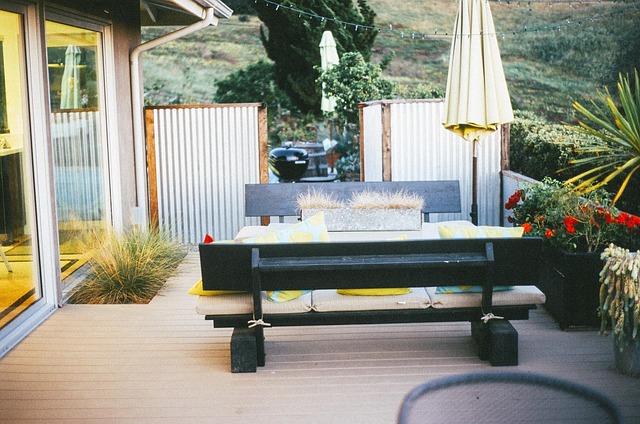
Strengthen Patio Furniture: Slab Construction in Bandera
Patio and slab construction in Bandera requires careful preparation to overcome variable weather and.......
Read more →
In the realm of construction, patio and slab construction Bandera stands as a versatile and impactful approach, shaping urban landscapes and outdoor spaces worldwide. This article aims to delve into the intricacies of this unique construction method, exploring its historical roots, global impact, economic significance, technological advancements, regulatory landscape, and future prospects. By the end, readers will gain a comprehensive understanding of patio and slab construction Bandera, its role in the industry, and its potential to transform both built and natural environments.
Definition: Patio and slab construction Bandera refers to the practice of creating durable, flat surfaces for various purposes, primarily outdoors. It involves laying down concrete or similar materials to form a solid platform, often accompanied by decorative elements and structural support. These constructions serve as foundations for patios, terraces, garden features, and even artistic installations.
Core Components:
Subgrade Preparation: The process begins with preparing the subgrade, ensuring it is compacted and level. This step is crucial for the long-term stability of the slab.
Formwork: Temporary forms are used to give the slab its shape. These can be made from wood, metal, or plastic and are designed to hold the concrete in place until it sets.
Concrete: The primary material, concrete, is a mixture of cement, aggregates (such as gravel and sand), water, and sometimes admixtures for specific properties. The mix design plays a vital role in determining the slab's strength and durability.
Reinforcement: Steel bars or mesh are often incorporated to enhance the slab's strength, especially for larger structures or those subject to heavy loads. This step is critical for preventing cracking and ensuring structural integrity.
Finishing: After concrete placement, the surface is finished to achieve the desired texture, levelness, and aesthetics. This stage can involve various techniques like floating, troweling, or using a power trowel.
Historical Context: The concept of patio and slab construction has its roots in ancient civilizations, where stone slabs were used for flooring and structural support. However, modern techniques and materials emerged during the industrial revolution, enabling more efficient and durable constructions. Over time, the application of these methods expanded from mere functional spaces to include aesthetically pleasing outdoor areas, blending seamlessly with architectural designs and natural landscapes.
Significance: This construction method offers numerous advantages:
Patio and slab construction Bandera has evolved into a global phenomenon, with variations and adaptations tailored to regional climates, cultural preferences, and architectural styles. Here’s a glimpse into its international influence:
| Region | Trending Styles and Technologies | Regional Preferences |
|---|---|---|
| North America | Eco-friendly materials, integrated lighting, and smart home connectivity. | Open-plan outdoor living, minimalist designs. |
| Europe | Sustainable construction practices, traditional brick and stone accents, and historic restoration techniques. | Cozy, intimate patios with floral arrangements and comfortable seating. |
| Asia Pacific | Modular slab systems, rapid curing concretes, and advanced finishing technologies. | Fusion of modern design with traditional elements, emphasizing harmony with nature. |
| Middle East | High-performance concrete, desert-resistant designs, and innovative shading solutions. | Grand, luxurious patios with intricate patterns and water features. |
| Latin America | Local craftsmanship, vibrant colors, and natural stone incorporations. | Social gathering spaces with lively decor and vibrant local flora. |
The economic landscape of patio and slab construction Bandera is dynamic and multifaceted, influenced by various factors:
Market Dynamics: The demand for outdoor living spaces has surged globally, driven by changing consumer preferences, especially in light of the COVID-19 pandemic. This trend has led to increased investment in patio and slab construction projects.
Investment Patterns: According to industry reports, residential sector investments in outdoor renovations have shown consistent growth, with a particular focus on high-end materials and custom designs. Commercial spaces, too, are embracing the trend, transforming urban landscapes into vibrant hubs.
Economic Impact: The construction sector benefits significantly from this boom, creating employment opportunities and contributing to GDP growth. Additionally, related industries like landscaping, furniture manufacturing, and outdoor decor also experience economic uplift.
Technology plays a pivotal role in enhancing the capabilities and sustainability of patio and slab construction Bandera:
Modular Systems: Precast concrete slabs and modular systems offer faster installation times, reduced construction waste, and improved site safety. These systems are gaining popularity due to their efficiency and cost advantages.
Rapid Curing Concretes: Advanced concretes with accelerated curing times reduce project durations, especially in colder climates where traditional concretes may slow down construction.
Smart Slabs: Integration of sensors into concrete slabs enables monitoring of structural health, temperature, and even slip/fall hazards. This technology has applications in both residential and commercial settings.
3D Printing: Experimental use of 3D printing for creating complex slab designs offers new possibilities for architectural expression and efficient material utilization.
The regulatory environment surrounding patio and slab construction Bandera varies across jurisdictions but generally aims to ensure safety, sustainability, and quality:
Building Codes: Local building codes dictate minimum requirements for slab construction, including concrete strength, reinforcement spacing, and finish details. These standards ensure structural integrity and safety.
Environmental Regulations: Many regions have policies in place to minimize the environmental impact of construction projects. This includes guidelines for waste management, water usage, and the use of sustainable materials.
Permitting Processes: Obtaining permits for patio and slab installations typically involves submitting detailed plans, structural calculations, and compliance with local codes. Authorities review these documents to ensure adherence to regulations.
Incentives for Sustainability: Some governments offer incentives or grants for projects incorporating eco-friendly materials, energy-efficient lighting, or water conservation measures. These initiatives promote sustainable construction practices.
Despite its many advantages, patio and slab construction Bandera faces certain challenges and criticisms:
Site Preparation: Inadequate preparation of the subgrade can lead to long-term stability issues and increased maintenance costs. Careful compaction and leveling are essential but can be labor-intensive.
Material Sustainability: While concrete is a durable material, its production contributes to carbon emissions and environmental impact. There is a growing need for more sustainable alternatives and practices.
Design Limitations: Complex geometric designs or intricate patterns may increase construction costs and complexity, requiring skilled labor and specialized equipment.
Solutions and Strategies:
A recently completed project in Manhattan transformed a dull urban courtyard into a vibrant public space. The design involved creating raised concrete slabs with integrated seating and planted beds. This transformation not only enhanced the aesthetics but also provided much-needed green spaces in the dense cityscape. The use of modular slabs facilitated faster construction, minimizing disruption to nearby businesses.
A private residence in Los Angeles embraced sustainability with a patio construction featuring recycled concrete slabs. The project incorporated native landscaping and solar-powered lighting, seamlessly merging the indoor and outdoor spaces. This case study demonstrates how patio construction can contribute to energy efficiency and ecological preservation while maintaining a beautiful design.
In the historic city of Florence, a restoration project aimed to revive an ancient patio dating back to the Renaissance era. Craftspeople meticulously replicated the original concrete slab patterns using traditional techniques. This project highlighted the importance of preserving cultural heritage while incorporating modern materials and methods for structural integrity.
The future of patio and slab construction Bandera is promising, with several emerging trends and growth areas:
Sustainable Innovations: The industry will continue to focus on eco-friendly materials, with research into recycled concrete, biomimicry, and carbon-negative production processes.
Smart Cities and Digital Integration: Patios and slabs equipped with smart technology for energy monitoring, lighting control, and even art installations will become more common in urban spaces.
Customized Designs: Advancements in 3D printing and digital design tools enable architects and designers to create unique, complex slab patterns, pushing the boundaries of aesthetic expression.
Off-Site Construction: Prefabrication and modular systems will gain further traction, offering faster project timelines, reduced waste, and improved site safety.
Patio and slab construction Bandera is a dynamic and ever-evolving field that continues to shape our built environments while enhancing outdoor living experiences. From its historical roots to modern innovations, this construction method has proven itself versatile, durable, and aesthetically pleasing. As the industry navigates challenges and embraces emerging trends, it positions itself as a key player in sustainable urban development, cultural preservation, and the creation of vibrant outdoor spaces worldwide.
Q: What are the typical costs associated with patio and slab construction? A: Costs can vary widely based on location, project size, material choices, and design complexity. On average, you can expect to pay between $50 and $200 per square foot for materials and labor, with larger projects or intricate designs potentially increasing this range.
Q: How long does it take to build a patio slab? A: Project timelines depend on various factors, including size, complexity, weather conditions, and site access. Simple, small slabs might take a few days, while more substantial or custom projects can extend the construction period up to several weeks.
Q: Can concrete slabs be walked on immediately after installation? A: While some light foot traffic is possible soon after placement, heavy loads or prolonged exposure should be avoided until the concrete has fully cured, typically taking 24-48 hours for standard concretes and up to several days for specific types.
Q: Are there any maintenance requirements for patio slabs? A: Regular cleaning and sealing are recommended to protect the slab from stains and damage. Sealing every 1-2 years helps maintain the surface's integrity, especially in regions with harsh climates or frequent rainfall. Minor repairs can be made as needed.
Q: Can patio slabs incorporate lighting features? A: Absolutely! Integrated lighting is a popular feature, offering safety benefits and enhancing the aesthetic appeal of outdoor spaces. Various options are available, including embedded LED lights, recessed fixtures, and string lights, each requiring professional installation for optimal results.