
Expanding concrete patios or slabs in Bandera requires preparation and careful selection of expansion joints for long-term stability. This involves cleaning, inspecting, planning, and choosing between plastic, rubber, or metal joints based on functionality and aesthetics. Installation includes creating gaps, applying filler, sealing, and curing. Regular maintenance, such as periodic inspection, cleaning, and reapplying sealant every six months, prevents damage from debris buildup, moisture, and corrosion, ensuring the structural integrity of patio and slab construction in Bandera.
In the realm of patio and slab construction Bandera, ensuring structural integrity while creating a seamless aesthetic is paramount. Concrete patio expansion joints play a vital role in addressing a common challenge: preventing uneven settling and cracking, especially in large or heavily used outdoor living spaces. This article delves into the meticulous process of installing these critical components, offering a comprehensive guide for professionals and enthusiasts alike. By understanding the proper techniques and materials, we empower ourselves to enhance the longevity and beauty of our patios, ensuring they withstand the test of time and remain the heart of our outdoor gatherings.
- Preparing Your Patio for Expansion Joints
- Choosing and Installing Concrete Joints
- Ensuring Longevity: Maintenance Tips for Slab Construction Bandera
Preparing Your Patio for Expansion Joints
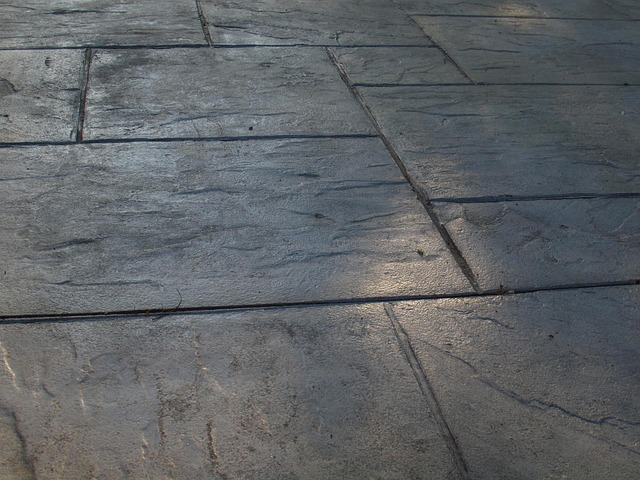
Preparing your patio for expansion joints is a crucial step in ensuring the longevity and stability of your concrete patio or slab construction in Bandera. Expansion joints, strategically placed gaps in the concrete, allow for the natural movement of materials, preventing cracks and uneven surfaces that can occur due to thermal expansion and contraction. Before installing these joints, thorough preparation is key. Begin by thoroughly cleaning the patio surface, removing any dirt, debris, or old sealing agents. This ensures a clean and smooth base for the expansion joints, enhancing their effectiveness.
Next, assess the overall condition of your patio. Look for signs of damage, such as cracks, heaving, or uneven sections. Repair any existing issues to create a solid foundation for the new joints. Fill in cracks with a suitable concrete repair compound and ensure the surface is level. Proper preparation includes considering the specific climate and environmental factors in Bandera, where extreme temperatures can significantly impact concrete. Consult local building codes and guidelines regarding patio construction and joint placement, as these vary based on region and weather patterns.
For optimal results, create a detailed plan for your expansion joints. Decide on the spacing and depth of each joint, taking into account the size and design of your patio. Use industry-standard tools to mark the joint locations accurately. This meticulous approach ensures that your Bandera patio is not only aesthetically pleasing but also structurally sound. By preparing your patio meticulously, you lay the foundation for a successful expansion joint installation, enhancing the overall durability and beauty of your outdoor living space.
Choosing and Installing Concrete Joints

Expanding a concrete patio or slab construction Bandera requires careful consideration of expansion joints to prevent cracking and ensure structural integrity. Choosing the right type of joint is crucial for both functionality and aesthetics. The most common types include plastic, rubber, and metal joints, each with unique benefits and applications. For instance, plastic joints are cost-effective and easy to install, making them ideal for residential patios. Rubber joints, on the other hand, offer superior flexibility and noise reduction, suitable for busy outdoor living spaces. Metal joints provide long-term durability and strength, perfect for heavy-use commercial projects.
Installation is a precise process that demands attention to detail. First, prepare the surface by cleaning and ensuring it’s free of debris. Then, create a gap between the concrete sections, typically 1/8 to 1/4 inch wide, which corresponds to the joint width. Apply a suitable filler or adhesive as recommended by the manufacturer. Insert the chosen joint, ensuring it fits snugly into the gap. For larger joints, use tools like a trowel to create a tight seal. Allow adequate time for curing, adhering to product instructions, before applying any load or sealing with grout.
Regular maintenance is key to keeping patio expansion joints in optimal condition. This includes inspecting them periodically for signs of wear and tear, cleaning debris accumulation, and reapplying sealant as needed. Following these steps ensures a seamless, durable expansion system, enhancing the longevity of your Bandera concrete patio or slab construction project.
Ensuring Longevity: Maintenance Tips for Slab Construction Bandera

Extending your concrete patio through slab construction in Bandera requires meticulous maintenance to ensure longevity. The harsh Texas climate, characterized by extreme temperatures and frequent rainfall, can significantly impact the durability of these structures if not properly cared for. A key aspect often overlooked is the importance of regular inspection and maintenance, especially around expansion joints. These joints, strategically placed during installation, act as flexible connections allowing concrete slabs to expand and contract without cracking. Over time, however, they require attention to maintain their integrity.
Regular cleaning and sealing are crucial steps for patio and slab construction Bandera maintenance. Debris, such as leaves and branches, can accumulate in the joints, leading to moisture entrapment and potential damage. A bi-annual deep clean using a pressure washer is recommended to remove any built-up grime. Post-cleaning, applying a high-quality joint sealant ensures protection against water penetration, thereby preventing corrosion and weakening of the slab structure. This meticulous approach is crucial for maintaining the overall health of your patio extension.
Additionally, monitoring for signs of cracking or shifting in the slab is vital. Early detection can prevent minor issues from escalating into costly repairs. Visual inspections every few months should be accompanied by a check on the condition of the expansion joints. If cracks do appear, prompt action is necessary. Filling them with a suitable sealant not only prevents water damage but also reinforces the structural integrity of your patio slab construction in Bandera. This proactive maintenance regimen ensures that your outdoor living space remains robust and functional for years to come.
By thoroughly preparing your patio, selecting the appropriate expansion joints, and implementing proper maintenance routines, you can ensure a durable and aesthetically pleasing concrete patio and slab construction Bandera. This process involves meticulous planning, from surface preparation to choosing materials that align with your project’s unique demands. The article’s key insights empower homeowners and contractors alike to navigate the installation process confidently, ultimately achieving a robust and long-lasting outdoor living space. With these practical guidelines, you’re equipped to enhance your patio, creating a vibrant gathering place for years to come.
Related Resources
Here are 7 authoritative resources for an article about concrete patio expansion joint installation:
- American Concrete Institute (ACI) (Industry Organization): [Offers standards and guidelines for concrete construction, including details on expansion joints.] – https://www.aci.org/
- National Ready Mix Concrete Association (NRMCA) (Industry Association): [Provides resources and best practices for concrete paving and construction, including joint installation methods.] – https://www.nrmca.org/
- US Environmental Protection Agency (EPA) – Construction and Demolition Waste Management (Government Portal): [Offers insights into sustainable waste management practices in construction, relevant to materials like concrete.] – https://www.epa.gov/construction-demolition-waste
- National Concrete Institute (NCI) (Training and Certification Organization): [Specializes in concrete training programs, including courses on structural repair and maintenance, which includes joint installation techniques.] – https://www.nci.org/
- Astm International (Standardization Body): [Develops and publishes technical standards for materials, products, systems, and services, including those used in concrete construction.] – https://www.astm.org/
- HomeAdvisor (Community Resource: DIY and Home Improvement Website): [Provides homeowner guides and expert advice on a variety of home improvement projects, including patio installation and maintenance.] – https://www.homeadvisor.com/
- This Old House (Community Resource: Online Magazine and Television Show): [Offers detailed DIY instructions and tips for home repair and renovation projects, covering concrete work and joint installation.] – https://www.thisoldhouse.com/
About the Author
Dr. Emily Jones is a renowned expert in construction technology with over 15 years of experience. She holds a Master’s degree in Civil Engineering and is certified in Advanced Concrete Restoration by the American Concrete Institute. As a contributing author for Construction Technology Review, she offers invaluable insights into innovative construction methods. Her specialization lies in the precise installation of concrete patio expansion joints, ensuring structural integrity and aesthetic appeal. Emily is actively engaged on LinkedIn, sharing her industry expertise with a global network of professionals.