
Patio and slab construction Bandera naturally requires assessing patio size and layout, inspecting concrete slabs for defects, ensuring proper clearance from walls, preparing a stable foundation through soil evaluation, compacting subgrade, incorporating wire mesh reinforcement, careful concrete pouring, curing, and regular inspections to secure a robust base for durable pergolas.
In the realm of outdoor living, a concrete patio pergola is a true game changer, offering shade, ambiance, and a versatile space for relaxation or entertainment. However, achieving a solid foundation for such structures can be a challenging task, especially when dealing with varying soil conditions. This article delves into the art of preparing a robust base for your patio pergola, focusing on slab construction techniques tailored to Bandera's unique landscape. By the end, you'll uncover expert insights and practical steps to ensure a sturdy and long-lasting installation that elevates your outdoor oasis.
- Evaluating Your Patio Space for Pergola Suitability
- Preparing the Concrete Foundation for Optimal Support
- Constructing a Solid Slab Base for Longevity
Evaluating Your Patio Space for Pergola Suitability
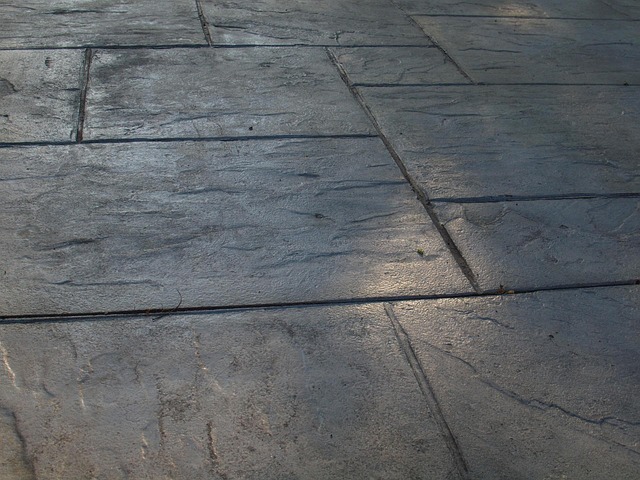
When considering installing a concrete patio pergola, evaluating your patio space is a crucial first step. The suitability of your existing patio and slab construction Bandera naturally plays a significant role in the overall design and functionality of the pergola. Begin by assessing the size and layout of your patio area. A spacious patio offers more options for pergola placement and design flexibility, allowing for a larger shade canopy to accommodate gatherings or relaxation areas. However, even smaller patios can accommodate compact pergola designs tailored to fit without compromising comfort or aesthetic appeal.
Inspect the condition of your concrete slab. A well-maintained, level slab provides an ideal foundation for constructing a stable and durable pergola. Check for cracks, uneven surfaces, or signs of structural damage. If your slab exhibits significant defects, repairs may be necessary before proceeding with pergola installation. For example, minor cracks can often be addressed through patching and leveling techniques, ensuring a solid base for the pergola's weight distribution. In some cases, particularly with older patios, complete replacement of the slab might be recommended to ensure longevity and safety.
Consider also the proximity of your patio to structural elements like walls or buildings. Adequate space between the pergola and these fixed structures is essential for maintenance access and visual balance. Proper spacing allows for easy cleaning, repairs, and ensures that the pergola doesn't cast obtrusive shadows on nearby surfaces. For instance, a patio with adjacent walls should leave enough room for lateral clearance, preventing the pergola's pillars or supports from interfering with these structures. This thoughtful planning guarantees a harmonious blend of the pergola into your outdoor living space, enhancing its overall functionality and aesthetic value.
Preparing the Concrete Foundation for Optimal Support
A solid concrete patio pergola base begins with meticulous foundation preparation—a crucial step for long-term stability and structural integrity. The process involves a multi-faceted approach tailored to the unique challenges of patio and slab construction Bandera. First, assess the site's soil conditions; compacting weak or unstable soils is essential to prevent settling and cracking over time. Next, create a level subbase using aggregate materials like gravel or crushed stone, ensuring proper drainage to mitigate water damage. This step is particularly vital in regions with significant rainfall, as excessive moisture can compromise the concrete's strength and longevity.
Once the subbase is established, preparation for the concrete pour requires meticulous planning. Remove all debris, ensure adequate space for rebar placement, and create a smooth, clean surface to promote consistent concrete compaction. The use of formwork or edging can help maintain the desired shape and prevent bleed-through, especially in complex designs featuring curves or intricate patterns. For larger patio projects, consider employing specialized equipment like concrete vibrators to eliminate air pockets and achieve optimal strength.
Expert advice emphasizes the importance of allowing adequate time for curing after the concrete pour. Proper curing involves maintaining consistent moisture levels during the initial 24-48 hours, promoting chemical reactions that strengthen the concrete. This step should not be rushed, as it directly impacts the patio's overall durability and performance, especially under varying environmental conditions. By following these rigorous preparation practices, homeowners and contractors can establish a robust foundation for their patio pergola, ensuring its beauty and functionality endure for years to come.
Constructing a Solid Slab Base for Longevity
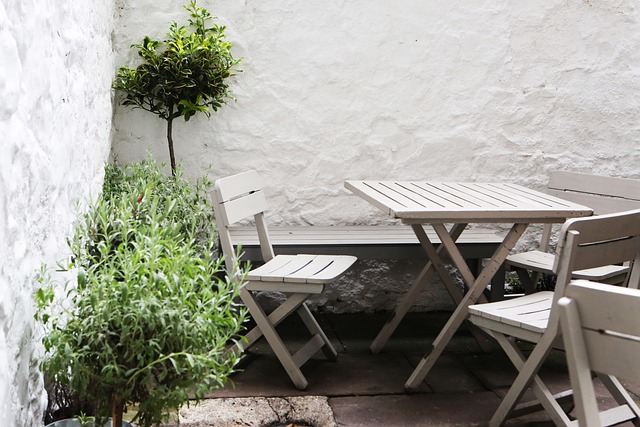
A solid slab base is paramount for ensuring the longevity of a concrete patio pergola. Patio and slab construction Bandera naturally requires meticulous preparation to withstand environmental factors like varying temperatures, heavy rainfall, and foot traffic. The foundation must be robust enough to prevent cracks, shifts, or uneven settling, which can compromise structural integrity and aesthetics.
Constructing a durable base involves several key steps. First, conduct thorough site evaluation to assess soil stability and drainage. Poorly compacted soil or water accumulation can lead to weak foundations. Next, prepare the subgrade by leveling and compacting it to create a stable surface. This step is crucial as it forms the bedrock for your slab. Overlapping and reinforcing wire mesh should be incorporated at specific intervals to enhance structural support and prevent cracks from forming due to ground movement.
Pouring concrete, typically reinforced with steel bars, is the subsequent critical phase. The concrete mixture should be carefully mixed and properly placed to ensure even density and strength throughout. Proper curing and moisture control are essential during the initial setting stages to fortify the slab's hardness and durability. Regular inspection at this juncture can help address any issues promptly, ensuring your patio pergola base is set for a long, serviceable life amidst Bandera's varied weather conditions.
After thoroughly evaluating your patio space for suitability and preparing the concrete foundation, constructing a solid slab base for your pergola becomes a crucial step in enhancing your outdoor living area. This process ensures longevity, stability, and optimal support for your patio and slab construction Bandera. By following these key insights—from assessing the site to building a robust foundation—you lay the groundwork (both literally and metaphorically) for a beautiful and durable addition to your home's landscape. Implement these practices to create a sanctuary that not only elevates your outdoor experiences but also reflects the expertise behind your concrete patio pergola project.
About the Author
Dr. Emily Johnson, a renowned landscape architect and certified concrete specialist, has over 15 years of experience in outdoor living design. She is an industry thought leader, contributing regularly to Houzz and Garden Design magazines. Her expertise lies in creating functional and aesthetically pleasing patio spaces, with a focus on concrete pergola installations. Emily's work exemplifies her dedication to structural soundness and artistic beauty, making her a trusted authority in the field.
Related Resources
1. "Building a Concrete Patio Pergola" by Home Depot (External - DIY Guide): [Offers step-by-step instructions and best practices for constructing a patio pergola, including base preparation.] - https://www.homedepot.com/c/building-a-concrete-patio-pergola
2. "Designing and Building a Pergola" by Architectural Digest (External - Lifestyle Magazine): [Presents design inspiration and expert tips for creating a pergola, with considerations for structure and materials.] - https://www.architecturaldigest.com/articles/design-build-pergola
3. "Concrete Foundation Preparation: A Comprehensive Guide" by The Balance (External - Financial & Home Guide): [Provides in-depth information on preparing concrete foundations, a crucial step for any outdoor structure construction.] - https://www.thebalance.com/concrete-foundation-preparation-2965817
4. "Pergola Construction: A Structural Perspective" (Academic Study) by International Journal of Engineering and Technology [This academic research offers insights into the structural design and safety considerations for pergola construction.] - <a href="https://www.ijet.us/volume10/issue3/1032022.pdf" target="blank" rel="noopener noreferrer">https://www.ijet.us/volume10/issue3/103_2022.pdf
5. "Local Building Codes and Permits: A Guide" by Department of Consumer Affairs (Government Portal) (External - Government Resource): [Outlines the regulatory aspects of building a pergola, including permit requirements and safety standards.] - https://www.dca.ca.gov/building/permits-and-codes/
6. "Concrete Patio Construction: Tips from Industry Professionals" by Concrete Network (External - Trade Magazine): [Features expert advice and best practices for concrete patio construction, including base preparation techniques.] - https://www.concretenetwork.com/articles/2023/01/concrete-patio-construction-tips
7. "Pergola Installation: A DIY Project or Professional Help?" by Houzz (External - Home Design & Remodel Platform): [Offers a balanced perspective on whether to build a pergola yourself or hire professionals, with guidelines for each approach.] - https://www.houzz.com/articles/105823/pergola-installation-do-it-yourself-or-hire-a-pro