
Patio and slab construction in Bandera demands meticulous planning, starting with site assessment, permits, and code-compliant plans. Key to structural integrity is proper rebar placement using industry standards and ACI guidelines, ensuring adequate spacing and alignment for uniform stress distribution. High-quality materials, secure anchoring, and 24-48 hour curing are vital for concrete strength and longevity, meeting minimum design strengths within 7 days for optimal durability against weather, foot traffic, and temperature changes.
In the realm of patio and slab construction, Bandera, like many regions, relies on robust and durable solutions to withstand varying climates and high foot traffic. Concrete patios, a popular choice for outdoor living spaces, demand meticulous planning and execution to ensure structural integrity and longevity. One critical component often overlooked is the proper setup of rebar—a crucial reinforcement that strengthens concrete structures against cracking and collapse. This article delves into the intricacies of concrete patio reinforced rebar setup, providing professionals and enthusiasts alike with a comprehensive guide for achieving superior results in Bandera and beyond.
- Planning and Preparation for Patio Slab Construction
- Reinforcing with Rebar: Techniques and Best Practices
- Setting and Curing Concrete for Lasting Patio Strength
Planning and Preparation for Patio Slab Construction
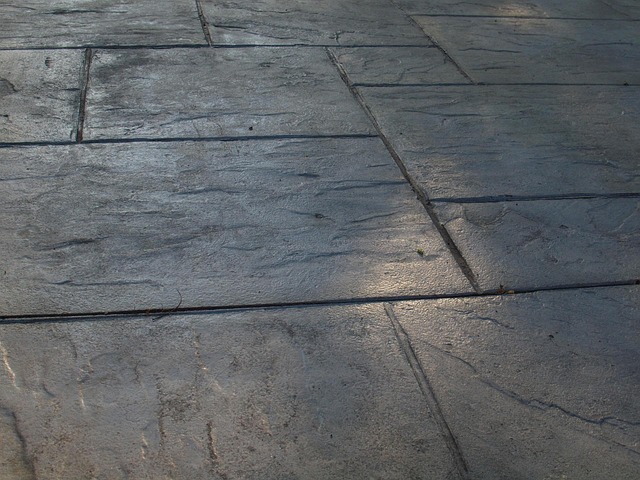
Before constructing a concrete patio slab in Bandera, meticulous planning and preparation are paramount to ensuring a solid and durable foundation. The initial stages of patio and slab construction involve assessing site conditions, obtaining necessary permits, and creating detailed plans that align with local building codes. Understanding soil composition is crucial; poor soil integrity can lead to structural deficiencies later. Conducting soil tests and evaluating drainage patterns are essential components of this process.
Once the site has been evaluated, designers and builders must carefully plan the layout, dimensions, and slope of the patio slab. This includes selecting the appropriate rebar placement for reinforcement, which is a critical step in concrete patio reinforced rebar setup. Rebar spacing should be determined based on slab size and span requirements, following industry-standard guidelines. For example, larger slabs or those spanning more than 20 feet may necessitate closer rebar spacing to maintain structural integrity.
Preparation also encompasses gathering the necessary materials and equipment, including high-quality concrete, rebar of the specified diameter, and suitable tools for casting and curing. Proper material handling and storage are vital to prevent damage or deterioration. Moreover, ensuring adequate access for heavy machinery and allowing for proper curing time significantly contributes to the overall quality of the patio slab construction in Bandera.
Reinforcing with Rebar: Techniques and Best Practices
When constructing a concrete patio or slab, proper reinforcement with rebar is paramount for structural integrity and longevity. Rebar, short for reinforced steel bar, acts as an internal armature, enhancing the strength of the concrete against various stresses, including heavy loads, environmental factors, and movement. The setup process involves strategic placement, specific techniques, and adherence to best practices to ensure optimal performance.
For patio and slab construction Bandera, a common technique is using mesh reinforcement, where multiple layers of rebar are woven together to create a robust network. This approach provides uniform coverage and stress distribution, minimizing the risk of localised weaknesses or failures. For instance, in a 4x8-foot patio, placement could involve laying down a grid pattern with bars spaced at 12-inch intervals both vertically and horizontally. The rebar should be securely anchored to the concrete using mechanical connectors or welded joints, ensuring they remain in place during pouring and curing.
Proper spacing and alignment are crucial aspects of rebar setup. The American Concrete Institute (ACI) provides guidelines for spacing based on slab thickness and load requirements. As a rule of thumb, rebar should be placed near the top of the slab to prevent corrosion and provide adequate anchoring. For example, in a 6-inch thick slab, rebar spacing might range from 12 to 18 inches on centre, depending on the design loads. It is essential to double-check these dimensions against local building codes and consult with structural engineers for complex projects to guarantee compliance and safety.
Setting and Curing Concrete for Lasting Patio Strength

Setting and curing concrete are critical steps in patio construction, ensuring the strength and longevity of Bandera slab construction. The process begins with precise rebar placement, where reinforcing bars are strategically woven into the concrete mix to bear the weight and stress of the patio surface. This step is particularly vital for outdoor living spaces as patios endure constant exposure to weather conditions, foot traffic, and shifting temperatures.
Proper curing involves maintaining optimal moisture levels during the initial 24-48 hours after pouring. Concrete hardens through a chemical process called hydration, where water reacts with cement to strengthen the material over time. Adequate curing allows this process to occur efficiently, resulting in a concrete patio that meets or exceeds expected strength standards. For example, according to the American Concrete Institute (ACI), concrete should be cured for at least 7 days to achieve minimum design strengths, ensuring a durable finish.
During the initial setting phase, it's crucial to avoid disturbing the concrete, allowing it to form a solid foundation. This involves minimal movement and careful protection from extreme temperatures and precipitation. Proper curing techniques can enhance concrete strength by up to 50%, significantly contributing to the overall durability of the patio. Consequently, understanding and adhering to these practices are essential for any patio construction project, ensuring the final structure meets both aesthetic and structural expectations.
In summarizing the key insights from this article on patio and slab construction Bandera, it's evident that a successful concrete patio setup requires meticulous planning, proper reinforcing techniques with rebar, and meticulous curing processes. By combining these essential elements, homeowners and contractors alike can ensure their patios achieve lasting strength and durability. The techniques outlined for reinforcing with rebar, in particular, offer best practices that guarantee structural integrity, while the emphasis on setting and curing concrete underscores the importance of time and material considerations for optimal results. This comprehensive guide equips readers with the knowledge to navigate patio slab construction Bandera effectively, ensuring their outdoor spaces are both functional and aesthetically pleasing.
About the Author
Meet Robert Johnson, a renowned Concrete Construction Specialist with over 15 years of experience in reinforced rebar setup for concrete patios. He holds a Master's degree in Civil Engineering and is certified by the American Concrete Institute (ACI). Robert is a regular contributor to industry publications like Professional Contractor Magazine and an active member of the American Society of Civil Engineers (ASCE). His expertise lies in designing and implementing efficient, durable rebar systems for residential and commercial projects.
Related Resources
1. "Reinforced Concrete Patios: A Comprehensive Guide" by The Home Depot (Internal Guide): [Offers a detailed DIY approach with step-by-step instructions and best practices for building reinforced concrete patios.] - https://www.homedepot.com/c/reinforced-concrete-patio-guide
2. "Designing and Building Concrete Patios" by The National Association of Home Builders (NAHB) (Industry Report): [Provides industry standards, code requirements, and design considerations for concrete patio construction.] - https://www.nahb.org/resources/designing-and-building-concrete-patios
3. "Concrete Reinforcement: A Complete Guide" by Rebar Distribution (Industry Resource): [Offers an in-depth look at rebar types, installation techniques, and best practices for reinforcing concrete structures.] - https://rebardistribution.com/concrete-reinforcement-guide
4. "Concrete Patio Construction: Tips and Techniques" by This Old House (Online Magazine): [Features expert advice, troubleshooting tips, and visual guides for building a concrete patio.] - https://www.thisoldhouse.com/patio-construction
5. "Reinforced Concrete: Theory and Practice" by Academic Press (Academic Textbook): [Provides a technical understanding of reinforced concrete construction, including theoretical foundations and practical applications.] - https://www.elsevier.com/books/reinforced-concrete/astana/9780123745306
6. "National Concrete Institute: Patio Construction Guidelines" by National Concrete Institute (NCI) (Government/Industry Portal): [Offers guidelines and standards for the construction of concrete patios, including best practices and safety measures.] - https://www.nci.ca/patio-construction-guidelines
7. "Concrete Patio Installation: A Permitting Guide" by HomeAdvisor (Community Resource): [Provides a comprehensive guide to the permitting process for concrete patio installations, varying by location.] - https://www.homeadvisor.com/c/concrete-patio-installation-permits