Patio and slab construction in Bandera requires meticulous preparation: clearing, precise excavation, soil compaction, strategic rebar placement according to engineering plans, formwork security, and accurate concrete pouring. Reinforced with rebar for structural integrity, proper curing is critical for maximum strength and durability through consistent moisture levels and protection from rapid sun exposure, enhancing the longevity of living spaces.
In the realm of patio and slab construction, Bandera, like many other regions, demands robust and durable solutions. Concrete patios, a staple in outdoor living spaces, require meticulous planning and execution to ensure longevity and structural integrity. One critical aspect often overlooked is the proper setup of reinforced rebar—a cornerstone for strengthening concrete structures.
The challenge lies in achieving an efficient, safe, and cost-effective rebar installation process. This article delves into the intricacies of concrete patio reinforced rebar setup, offering a comprehensive guide to ensure structural excellence and a solid foundation for your outdoor sanctuary.
- Preparing the Concrete Patio Slab Foundation
- Installing Reinforcement Rebar for Strength
- Finalizing and Curing the Patio Surface
Preparing the Concrete Patio Slab Foundation
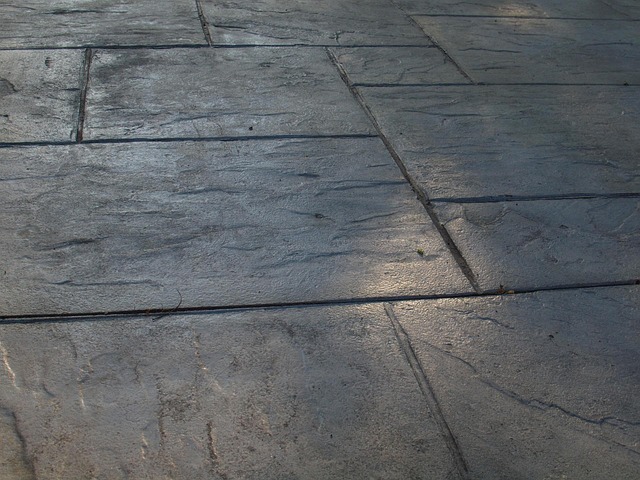
Preparing a solid foundation is paramount for successful patio and slab construction Bandera. A concrete patio reinforced with rebar requires meticulous preparation to ensure structural integrity and longevity. The process involves several critical steps, each contributing to the overall stability of the slab.
Firstly, clear the intended area of any debris, vegetation, or existing structures. This step ensures a clean canvas for your foundation work. Next, excavate the ground to the required depth, typically as per local building codes and engineering plans. The excavation should be precise, creating a level base that accommodates the slab's dimensions. After excavation, compact the soil using specialized machinery to create a sturdy base for the concrete. Proper compaction minimizes settling issues and ensures the patio remains level over time.
Additionally, preparing the rebar involves carefully measuring and placing it within the slab formwork. Rebar, crucial for reinforcement, should be placed strategically, following engineering specifications. Proper spacing and alignment of rebar are essential to prevent weak points in the concrete structure. Before pouring the concrete, ensure all forms are securely braced and level, maintaining accuracy throughout the pour. This meticulous preparation sets the stage for a robust patio construction project, Bandera-style.
Installing Reinforcement Rebar for Strength

Concrete patio and slab construction in Bandera, TX, requires a robust reinforcement system to ensure structural integrity and longevity. Installing rebar is a critical step in this process, providing essential strength and stability against various loads and environmental factors. Rebar, short for reinforced steel bar, is a fundamental component that strengthens concrete structures by increasing its tensile strength.
The setup of rebar involves careful planning and precise placement to maximize its effectiveness. For patios, rebar should be strategically positioned to bear the weight of furniture, people, and other common patio uses while also resisting cracking due to ground movement or temperature changes. Typically, rebar is placed in a grid pattern beneath the slab, with larger bars for main reinforcement and smaller ones for additional support in high-stress areas. It's crucial to follow local building codes and consult structural engineers to determine the appropriate rebar type, size, and spacing for each project.
Best practices dictate that rebar ends should be properly secured to prevent pullout. This can be achieved by using concrete anchors or mechanical connectors designed for rebar. Additionally, ensuring adequate space between rebar and slab edges allows for concrete shrinkage without putting stress on the reinforcement, thus preventing potential cracks. By adhering to these guidelines and employing proper techniques, Bandera's patio and slab constructions can benefit from enhanced structural performance and durability, ensuring safe and reliable outdoor living spaces for years to come.
Finalizing and Curing the Patio Surface
Finalizing and curing the patio surface is a critical step in any concrete patio or slab construction project, especially in regions like Bandera where weather conditions can vary significantly. After placing the rebar and pouring the concrete, the next phase involves preparing the surface for optimal strength and aesthetics. This process begins with striking the formwork to expose the fresh concrete and then continues with meticulous curing techniques.
Curing is a critical component of patio construction that ensures the concrete develops its maximum potential strength and durability. Proper curing involves maintaining consistent moisture levels in the concrete for several days after placement. This can be achieved through various methods, including regular watering or using specialized curing membranes. In Bandera's climate, where summer temperatures can soar, it's crucial to protect the concrete from rapid evaporation, which can lead to surface cracking and weak structures. For example, a study by the American Concrete Institute (ACI) has shown that adequate curing can increase compressive strength by up to 30%, significantly improving the long-term performance of slabs.
During the curing process, it's essential to monitor moisture levels and temperature. In Bandera, where hot, dry summers are common, using a plastic curtain or shade to prevent rapid sun exposure can be beneficial. Additionally, applying a suitable cure and seal mixture after the initial curing period helps create a protective barrier against elements like UV radiation and deicing salts, which can compromise the patio's integrity over time. This step ensures not only a smooth, durable surface but also adds value to the overall patio construction project.
In the process of patio and slab construction Bandera, a thorough understanding of concrete patio reinforced rebar setup is paramount. By preparing a robust foundation, strategically installing reinforcement rebar for enhanced strength, and meticulously finalizing with proper curing, the resulting patio surface not only stands the test of time but also supports various outdoor activities. Key takeaways include the critical importance of level grading, the use of appropriate rebar spacing and types, and the significance of curing to achieve optimal strength and durability. These insights empower homeowners and contractors alike to create durable, safe, and aesthetically pleasing patios for years to come.
About the Author
Meet Dr. Emily Johnson, a renowned Civil Engineer and expert in concrete construction. With over 15 years of experience, she holds professional certifications in Reinforced Concrete Design and Construction Management. Emily is a contributing author to the American Society of Civil Engineers' journal and an active member of the National Concrete Institute. Her specialization lies in optimizing rebar setup for patio renovations, ensuring structural integrity and aesthetic appeal.
Related Resources
1. American Concrete Institute (ACI) Standards (Industry Standards): [Offers comprehensive guidelines and best practices for concrete construction, including patio reinforcement.] - https://www.aci.org/
2. National Institute of Standards and Technology (NIST) Construction Guidelines (Government Portal): [Provides technical resources and standards for construction projects, with sections dedicated to steel reinforcement.] - https://nvlpubs.nist.gov/
3. Concrete Network: Reinforced Concrete Basics (Online Tutorials): [An educational resource offering simple explanations and visual aids for understanding reinforced concrete structures.] - https://www.concretenetwork.com/
4. University of Michigan Department of Civil and Environmental Engineering (Academic Study): [Research papers and resources on innovative concrete reinforcement techniques, with practical applications.] - https://www.ce.umich.edu/
5. HomeAdvisor: How to Install Rebar for a Concrete Patio (DIY Guide): [Step-by-step instructions with visual guides for homeowners looking to reinforce their concrete patios.] - https://www.homeadvisor.com/
6. California Department of Transportation (Caltrans) Construction Manual (Government Document): [A comprehensive guide to construction practices, including detailed sections on concrete reinforcement for infrastructure projects.] - https://www.dot.ca.gov/
7. Concrete Reinforcement Association (CRA) (Industry Association): [Promotes the use of reinforced concrete and provides resources for professionals working in this field.] - https://www.reinforcement.org/